What Richmond Can Expect From Its New Mayor
October 2026 | Richmond, BC
Richmond is entering a new chapter in municipal leadership.
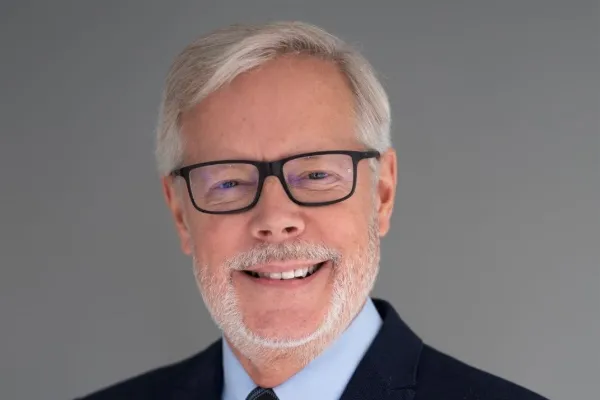
On October 17, 2026, Richmond residents elected Rob Howard as the city's next mayor, marking the end of Malcolm Brodie's 25-year tenure at City Hall. Howard received 19,676 votes, narrowly defeating Alexa Loo, who received 18,796 votes.
With the new mayor and council scheduled to take office on November 2, residents may be wondering what this change in leadership could mean for Richmond over the next four years.
Although it is too early to determine what the new administration will accomplish, Howard's election campaign provides an outline of the priorities he intends to bring to City Hall.
From public safety and housing to economic development and municipal accountability, here is a closer look at the commitments made during his campaign and what Richmond residents can watch for in the years ahead.
Who Is Rob Howard?
Rob Howard is no stranger to Richmond or municipal government.
Born and raised in Richmond, Howard previously served seven years on Richmond City Council and later represented Richmond Centre as a Member of the Legislative Assembly of British Columbia.
His professional background includes work in finance, business ownership, and seniors' housing development. During his previous time on council, he chaired committees responsible for finance and public transportation.
Howard campaigned under the Richmond Forward banner, presenting a platform focused on five areas: safety, housing, accountability, prosperity, and community engagement.
His campaign organized these priorities under the acronym S.H.A.P.E., outlining a proposed direction for the city's next four years.
1. Public Safety and Neighbourhood Security
Public safety was a prominent issue throughout Richmond's municipal election campaign.
Following his election, Howard identified public safety as his leading priority, reflecting concerns he said he heard from residents during the campaign.
His published platform includes proposals to:
Expand neighbourhood Block Watch initiatives.
Encourage residents to report suspicious activity through a community awareness campaign.
Strengthen support for the RCMP's D.A.R.E. drug education program.
Conduct safety audits within 800 metres of schools.
Oppose supervised consumption sites in Richmond.
The campaign also addressed concerns about homelessness, addiction, and the use of public spaces. Howard expressed support for seeking additional provincial resources for people experiencing addiction and mental health challenges.
What residents can watch for: Proposals involving neighbourhood safety programs, school-area assessments, and discussions with policing and provincial authorities.
Some initiatives may fall within municipal responsibilities, while others will require cooperation with the provincial government and other agencies.
2. Housing Affordability, Development and Seniors' Housing
Housing continues to be an important issue for Richmond, particularly for families, first-time buyers, and older residents hoping to remain in their communities.
Howard's campaign emphasized increasing housing choices, reducing development-related delays, and supporting additional housing options for seniors.
His platform proposed:
Reducing municipal permit processing times.
Fast-tracking and incentivizing seniors' housing projects.
Exploring approaches to improve housing affordability.
Expanding housing and service options for older residents.
Freezing city permit application fees.
These commitments suggest that development approvals and housing options for an aging population could receive attention under the new administration.
What residents can watch for: Changes to permitting processes, proposed incentives for seniors' housing, and new discussions about how Richmond accommodates future housing demand.
For homeowners, buyers, and those considering development, changes to municipal processes may be worth following. However, the effect of any future policy on housing supply, affordability, or property values cannot yet be determined.
3. Municipal Spending and Financial Accountability
Another central component of Howard's campaign was a commitment to financial oversight and greater transparency at City Hall.
His platform called for a review of municipal spending and clearer ways for residents to evaluate city services.
Specific proposals included:
Conducting a value-for-money review of city operations.
Establishing measurable service targets.
Creating a public dashboard to track municipal programs and performance.
Reviewing spending priorities and opportunities for operational efficiency.
The campaign connected these measures to its broader objective of managing municipal costs and respecting taxpayers' dollars.
What residents can watch for: The introduction of spending reviews, public reporting tools, and discussions about service levels and municipal budgets.
While these proposals outline Howard's approach to financial management, future property tax rates and municipal spending decisions will depend on council-approved budgets and other financial considerations.
4. Supporting Richmond Businesses and Economic Development
Richmond's economy includes a diverse mix of local businesses, commercial districts, industrial activity, tourism, and international trade.
Howard's campaign identified economic development as a priority, with an emphasis on strengthening existing businesses and creating opportunities for future investment.
His platform proposed:
Establishing measurable economic development targets.
Publishing an annual economic development report.
Exploring a potential trade and exhibition centre for Richmond.
Encouraging investment in commercial and industrial lands.
Supporting tourism, heritage, and waterfront-related development opportunities.
The proposed trade and exhibition centre remains a concept for further discussion rather than an approved project.
What residents can watch for: Economic development planning, business engagement initiatives, and possible proposals involving commercial lands, tourism, and waterfront destinations.
Whether these initiatives move forward will depend on feasibility, funding, planning processes, and council decisions.
5. Arts, Culture, Recreation and Richmond's Waterfront
Richmond's parks, community centres, cultural facilities, and waterfront areas are important parts of everyday life for residents.
Howard's campaign proposed expanding opportunities for community participation, with particular attention to youth, seniors, arts, and cultural programming.
One of the platform's larger proposals was the development of an arts and culture district along the City Centre waterfront.
Additional commitments included:
Expanding recreation, arts, and cultural programs for youth and seniors.
Improving access to city programs.
Supporting culturally appropriate volunteer opportunities.
Working with tourism and cultural organizations to expand community activities.
Exploring heritage and recreational development opportunities along Richmond's waterfronts.
What residents can watch for: Discussions about the City Centre waterfront, expanded community programming, and potential new cultural or recreational initiatives.
Major projects would still require planning, public consultation, funding decisions, and municipal approvals before proceeding.
What Happens Next?
Richmond's newly elected mayor and council are scheduled to be inaugurated on November 2, 2026.
Although Howard's campaign provides an indication of his priorities, implementing those commitments will involve more than the mayor's office alone.
Richmond's mayor serves alongside eight elected city councillors, and significant municipal decisions generally require council approval.
The new council includes representatives elected under several different political organizations, meaning future decisions will involve discussion and cooperation among councillors with potentially differing priorities.
Residents can expect the administration's direction to become clearer as council begins establishing its priorities, considering budgets, and introducing proposed policies.
Looking Ahead: Richmond's Next Four Years
A change in municipal leadership can bring new priorities and proposals, but the practical effects of those changes take time to emerge.
For Richmond residents, some of the key areas to follow over the coming years will be public safety initiatives, housing and development approvals, municipal spending, local economic development, and investments in community amenities.
Howard's campaign has established a set of objectives in each of these areas. How those objectives translate into policy, funding, and completed projects remains to be seen.
As the new council begins its work, residents will have opportunities to follow council meetings, review municipal decisions, and participate in public consultation processes.
For now, Richmond's 2026 municipal election marks the beginning of a new period of local leadership, with the coming years providing a clearer picture of how the city's priorities evolve.
Editorial Note
This article is provided for general community information and is not a political endorsement or expression of support for or opposition to any elected official, candidate, or political organization. The policy priorities described are based on Rob Howard's publicly available 2026 election campaign materials and reporting from local news sources. Campaign commitments represent proposed objectives, not confirmed municipal policies or guaranteed outcomes. Future implementation is subject to City Council decisions, funding, regulatory requirements, and other considerations. Information is current as of October 26, 2026.
Sources
City of Richmond — 2026 Election Results — Confirms Howard's election and the reported vote totals.
City of Richmond — Municipal Election Information — Confirms the election date and November 2 inauguration.
Rob Howard — Official 2026 Campaign Platform — Primary source for the five S.H.A.P.E. priorities and individual campaign commitments.
Rob Howard — Campaign Biography — Source for his professional background and previous political experience.
Richmond News — Rob Howard Elected Richmond's New Mayor — Local reporting on the election and Howard's stated public safety priority.
